The first musical use of the term psychedelic is thought to have been by the New York–based folk group The Holy Modal Rounders on their version of Lead Belly's "Hesitation Blues" in 1964. Guitarist John Fahey recorded several songs in the early 1960s that experimented with unusual recording techniques, including backward tapes, and novel instrumental accompaniment. Music critic Richie Unterberger stated that the opening track to Fahey's The Great San Bernardino Birthday Party & Other Excursions (1966) "anticipated elements of psychedelia with its nervy improvisations and odd guitar tunings". Additionally, Pitchfork writer Jason Heller stated, "While the world went trippy, Fahey formed a parallel psychedelic dimension that was also manifested in his copious, semi-fictional, self-penned liner notes, which mixed serious musicology with a prankish smirk".
Similarly, folk guitarist Sandy Bull's early work "incorporated elements of folk, jazz, and Indian and Arabic-influenced dronish modes". His 1963 album Fantasias for Guitar and Banjo explores various styles and instrumentation and "could also be accurately described as one of the very first psychedelic records". Later albums, such as 1968's E Pluribus Unum and his live album Still Valentine's Day 1969, which use experimental recording techniques and extended improvisation, also have psychedelic elements.
Musicians with several groups that became identified with psychedelic rock began as folk musicians, such as those with the Grateful Dead, Jefferson Airplane, Country Joe and the Fish, Quicksilver Messenger Service, The Beau Brummels from San Francisco; the Byrds, Love, Kaleidoscope, and the Peanut Butter Conspiracy from Los Angeles; Pearls Before Swine from Florida; and Jake and the Family Jewels, and Cat Mother & the All Night Newsboys from New York. The Serpent Power was a psychedelic rock group with a strong folk influence. The Byrds was the most important American folk-rock band to incorporate psychedelia in their sound and themes.
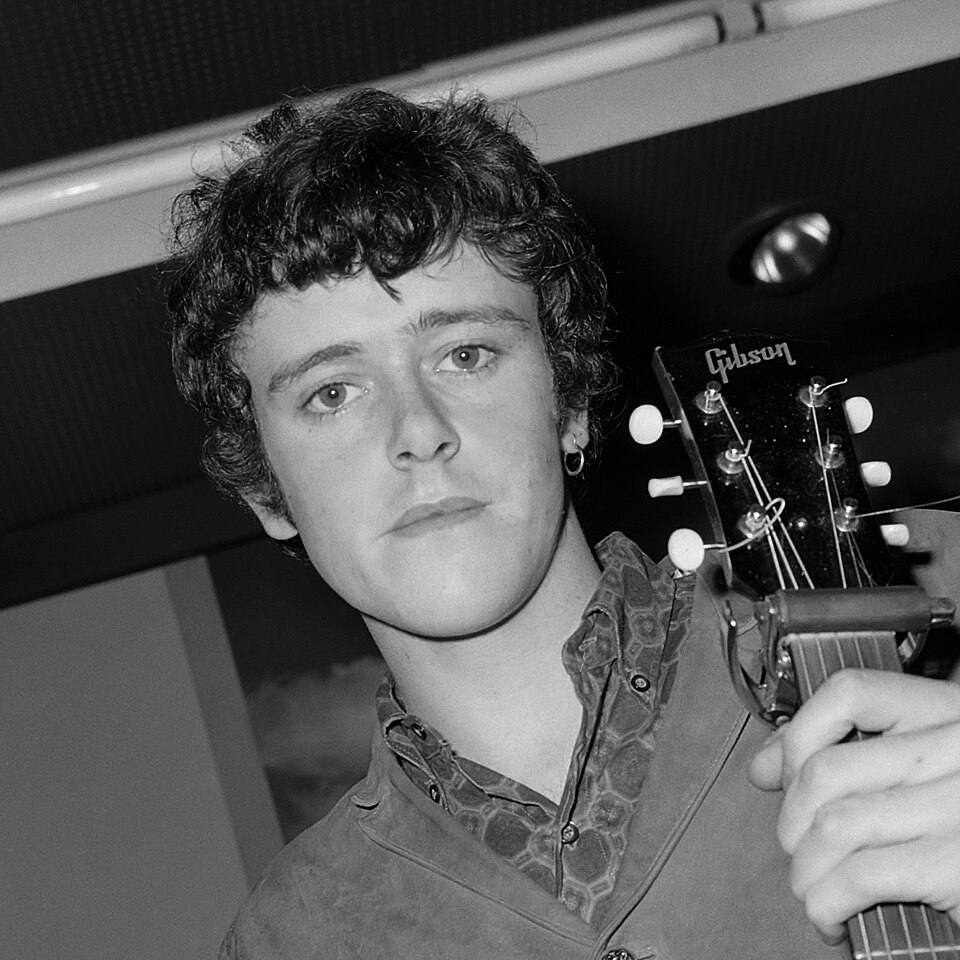
In the UK, folk artists who were particularly significant included Marc Bolan, with his hippy duo Tyrannosaurus Rex, who used unusual instrumentation and tape effects, typified by the album Unicorn (1969), and Scottish performers such as Donovan, who combined influences of American artists like Bob Dylan with references to flower power, and the Incredible String Band, who from 1967 incorporated a range of influences into their acoustic-based music, including medieval and eastern instruments. During the late 1960s and early 1970s, solo acts such as Syd Barrett and Nick Drake began to incorporate psychedelic influences into folk music with albums such as Barrett's The Madcap Laughs and Drake's Five Leaves Left. Underground artists such as Simon Finn would later be referred to as "acid folk".