
Person1898
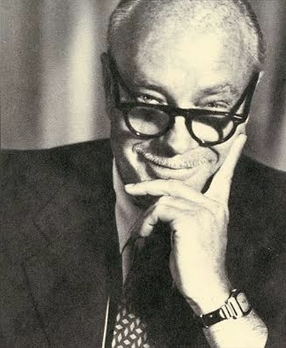
Dick Huemer
Richard Huemer was an American animator in the Golden Age of Animation.
Overview
Contribute to a document
Read and enrich the people, organizations and context referenced in case files.
Person1898
Richard Huemer was an American animator in the Golden Age of Animation.
Read and enrich the people, organizations and context referenced in case files.
Explore the cases that include this wiki entry.
No case files include this entry yet.
Investigate this subjectWhen links started and changed, in date order. Built from update posts and dates in the sources.
Dick Huemer Employer Walt Disney Studios
Dick Huemer Employer Walt Disney Studios
Dick Huemer Employer Fleischer Studios
Dick Huemer Employer Barré Studio
Dick Huemer Employer Fleischer Studios
Dick Huemer Employer Barré Studio
Richard Huemer (January 2, 1898 – November 30, 1979) was an American animator in the Golden Age of Animation.
Richard Huemer was an American animator in the Golden Age of Animation.
Richard Huemer (January 2, 1898 – November 30, 1979) was an American animator in the Golden Age of Animation.
While as an artist-illustrator living in the Bronx, New York City, Huemer first began his career in animation at the Raoul Barré cartoon studio in 1916. He joined Fleischer Studios in 1923 where he developed the Koko the Clown character. He redesigned the "Clown" for more efficient animation production and moved the Fleischer's away from their dependency upon the Rotoscope for fluid animation. Huemer created Ko-Ko's canine companion, Fitz. Most importantly, Huemer set the drawing style that gave the series its distinctive look. Later he moved to Hollywood and worked as an animator and director for Screen Gems, creating the character Scrappy. He subsequently moved to Walt Disney Productions, where he remained for the duration of his career, except for a three-year hiatus from 1948–51 when he pioneered animated TV commercials and created with Paul Murry The Adventures of Buck O'Rue comic strip. Some of Huemer's most creative work was done in partnership with Joe Grant; examples include Fantasia (story director), Dumbo (screenplay), and several propaganda films to advance the U.S. war effort during World War II. Atypically, Huemer and Grant submitted Dumbo to Walt Disney not as a completed storyboard, but as a series of storyboard "chapters," each ending in a cliffhanger. This was intended to pique Walt Disney's enthusiasm for the project, and it worked. Huemer worked at Disney from April 16, 1933, to February 28, 1973.
Huemer was given a Mousecar by the Disney Studio in February 1973 at a ceremony attended by a number of his peers.
He accepted the Winsor McCay Award at the Annie Awards in October 1978 and was introduced by Ward Kimball.
On October 10, 2007, Huemer's son Dr. Richard P. Huemer accepted the Disney Legends award that was given in his father's name.
True-Life Adventures (March 14, 1955 – February 27, 1973)
Huemer.com
Note to editors, this link does not work
Source: Dick Huemer (CC BY-SA)
We label verified structured information, user opinions, and AI-discovered relationships separately.
Be the first to comment.